
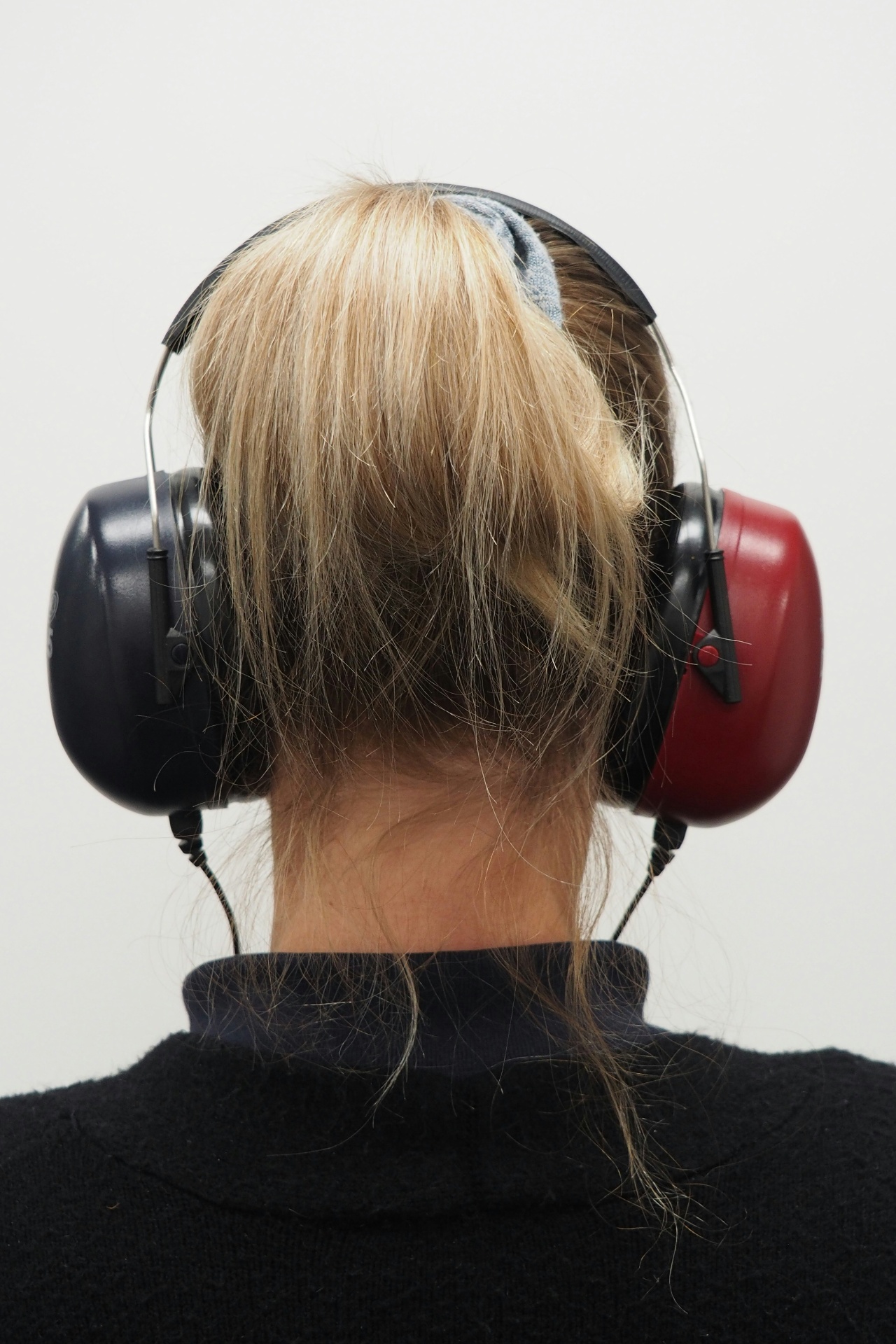
Understanding Tympanometry: Advanced Middle Ear Testing in Cardiff and Bridgend
Most people think of a hearing test as sitting in a quiet room, wearing headphones and pressing a button when they hear a tone. That test measures how well you detect sound, and it is an essential part of any hearing assessment. What it cannot do is tell you what is happening inside your middle ear.
That is where tympanometry comes in.
What is tympanometry?
Tympanometry measures how your eardrum responds to changes in air pressure. A small soft probe is placed gently in the ear canal, air pressure is varied slightly, and the movement of the eardrum is recorded on a graph called a tympanogram.
The test takes around five minutes for both ears. There is no discomfort involved, and you do not need to respond or press anything. You simply sit still while the equipment does the work.
What tympanometry can detect
A standard hearing test tells us that hearing is reduced. Tympanometry often tells us why. It identifies:
Fluid behind the eardrum, which is one of the most common causes of temporary hearing loss and frequently follows a cold or ear infection.
Eustachian tube dysfunction, where the tube connecting the middle ear to the back of the throat is not equalising pressure properly. This produces that persistent blocked or full sensation that will not clear.
Perforation of the eardrum, which can result from infection, injury or pressure changes.
Middle ear infection, including cases where there are few outward symptoms.
Problems with the tiny bones of the middle ear, which transmit sound vibration from the eardrum to the inner ear.
When tympanometry is worth having
Not everyone needs tympanometry. It becomes genuinely useful in a few specific situations.
If your ears still feel blocked after earwax removal, tympanometry will establish whether something in the middle ear is responsible. This is one of the most common reasons we carry out the test.
If your hearing fluctuates, getting better and worse without obvious cause, fluid or pressure changes in the middle ear are often behind it.
If you get frequent ear infections, the test helps build a clearer picture of what is happening between episodes.
If you experience persistent pressure or fullness, particularly after flying, diving or a heavy cold.
What happens after the test
You will get your results immediately and your audiologist will explain what the tympanogram shows in plain language. In many cases the findings point towards a temporary, treatable issue that will resolve with time or with input from your GP.
Where the results indicate something that needs medical attention, we will explain what we have found and recommend the appropriate next step. Tympanometry is a diagnostic tool, not a treatment, and its value lies in giving you and your clinician a clear picture rather than guesswork.
Tympanometry at Prestige Hearing
We offer tympanometry testing at all three of our clinics in Cardiff, Bridgend and Newport. The test costs £30 and can be added to any appointment. If you go on to order hearing aids, the fee is waived.
You do not need a GP referral. If you are unsure whether the test is relevant to your situation, mention it when you book and we will advise you.

Book a tympanometry test
Available at our Cardiff, Bridgend and Newport clinics as a £30 add-on to any appointment.